Tide Pool Creatures We Found at Edmonds, Washington
This post contains affiliate links. If you make a purchase through these links, I may earn a small commission at no extra cost to you. See my disclosure for details.
During a -3 ft low tide at Brackett’s Landing in Edmonds, we spotted more sea life than we expected. Here is a quick visual guide to what we found and how to identify each one on your own trip.
All of these creatures live in Puget Sound and are common finds on a good low tide day.
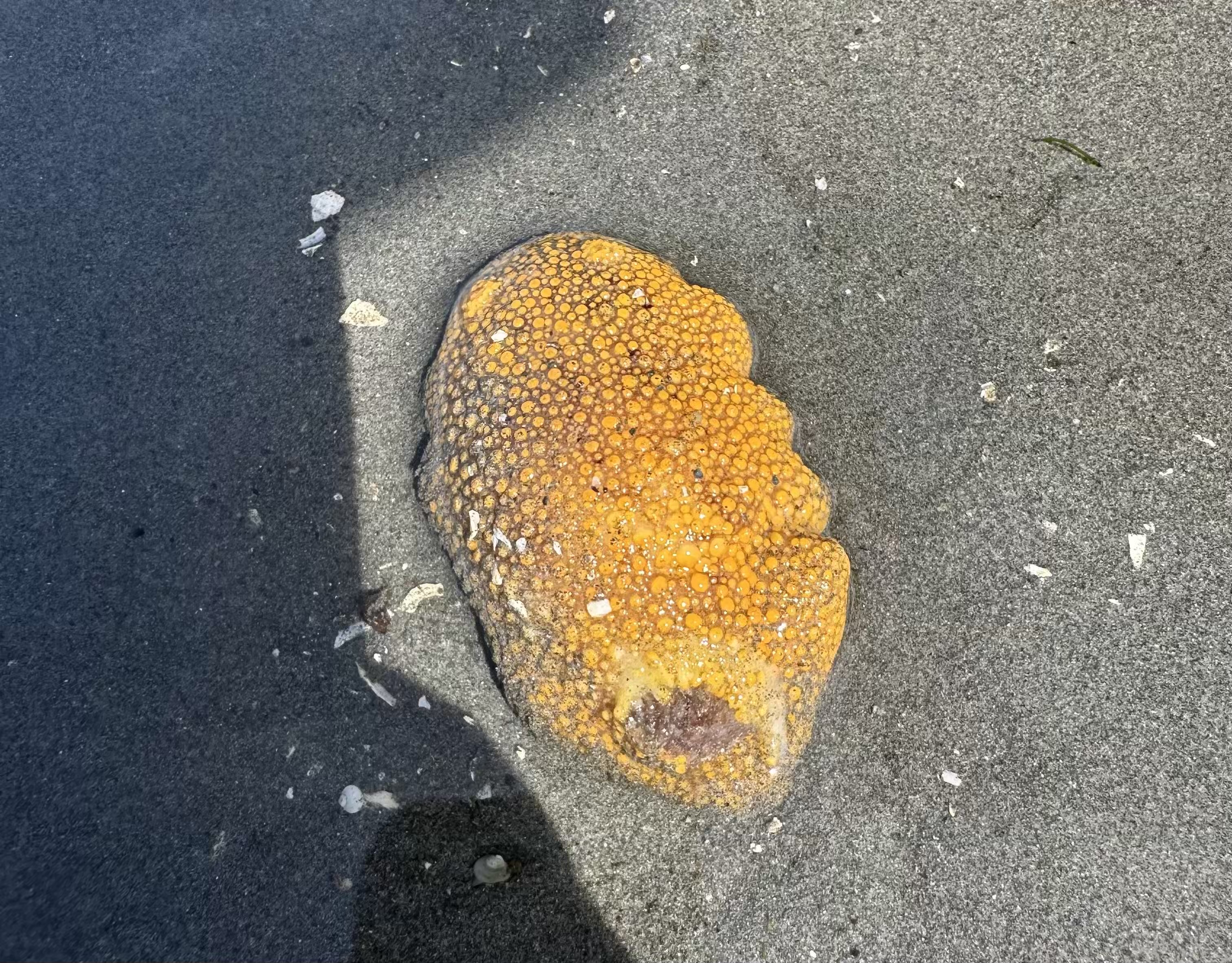
Sea Lemon
The highlight of the day. A bright yellow nudibranch (sea slug) that looks exactly like its name.
Size: 3 to 4 inches. Food: sponges. Fun fact: they reportedly smell faintly lemony. Usually tucked into shallow pools or under rocks. First time we have seen one in the wild.
Dungeness Crab
Washington’s famous eating crab, and very much alive in the tide pools. We watched several digging sideways into the wet sand to stay hidden as the tide pulled back.


Identification: cream and purple coloring, large front claws, wide flat shell. These are not the ones you eat at restaurants (those are adults from deeper water). These are juveniles using the beach as a nursery.
Ochre Sea Star (Purple, Orange, Brick Red)
The classic Puget Sound sea star. We saw them in all three color variants, clinging to rocks and wooden pilings near the water line.


Size: up to 10 inches across. Five arms, rough bumpy surface. Puget Sound’s sea star population was hit hard by sea star wasting disease starting in 2013, so seeing this many healthy ones in one visit is a good sign.
Hermit Crab
Tiny and fast. They occupied almost every small snail shell in the shallow pools.

Identification: a “rock” suddenly grows legs and runs. They use empty snail shells for protection and upgrade to a bigger shell as they grow. Great for kids to watch.
Sea Anemone
Green and olive anemones covered the rocks near the water. The ones left above the waterline had pulled their tentacles in and looked like squishy blobs. The ones in pools were fully open.


Fun fact: the tentacles have stinging cells called nematocysts that paralyze small prey. The sting is too weak to hurt humans, but you can feel a light sticky grip if you touch one gently with a wet fingertip.
Barnacles
Covering almost every rock and wooden piling above the low tide line. Easy to miss because they just look like rough white bumps on the rock, but each one is a living creature.

Fun fact: barnacles are actually crustaceans (related to crabs and shrimp), not shellfish. When underwater they extend feathery legs to catch food particles from the water.
Snails and Conch
The tide pools were full of small snails. We also found a few larger conch shells with occupants still inside. Leave them in place, they are protected.
Seagulls
Not in the tide pools, but busy doing their own beach combing along the waterline. They crack open shells, squabble over crab scraps and make a loud feathered show of the whole thing.
A Note on What We Called “Sea Monkeys”
Tiny crustaceans were darting around in some of the pools. Our toddler called them “sea monkeys” and the name stuck. These are likely amphipods or mysid shrimp, common in Puget Sound tide pools. Very small, very fast, and fun for kids to watch.
Want to Spot These Yourself?
The best place we found for all of these in one visit was Brackett’s Landing in Edmonds, on a -3 ft low tide. Read our full Brackett’s Landing guide for parking, directions and what to bring.
If you want to plan your own tide pooling trip elsewhere in Puget Sound, start with our low tide planning guide.
Watch the Full Playlist
Travel Tips
- Take nothing home. Most Puget Sound tide pool beaches are protected.
- Touch gently and with wet hands only. Dry hands damage the protective coating on sea creatures.
- Put rocks back the way you found them.
- Bring a phone or camera with a good close up mode. Tide pool photos are a fun keepsake.
- Go at a -2 ft tide or lower for the best chance of seeing everything on this list.
Top Activities
About Us

Travel makes one modest. You see what a tiny place you occupy in the world. We love travel and exploring new places and culture. We started this blog to share our travel journeys, experiences and planning information and of course some pictures of the destinations. We hope to provide some insight about the destinations visited by us and to inspire other people to travel more. We have full time jobs but we make sure we use every opportunity to get out and explore the wonderful creation around us.
Know MoreRelated reads
You might also be interested in:
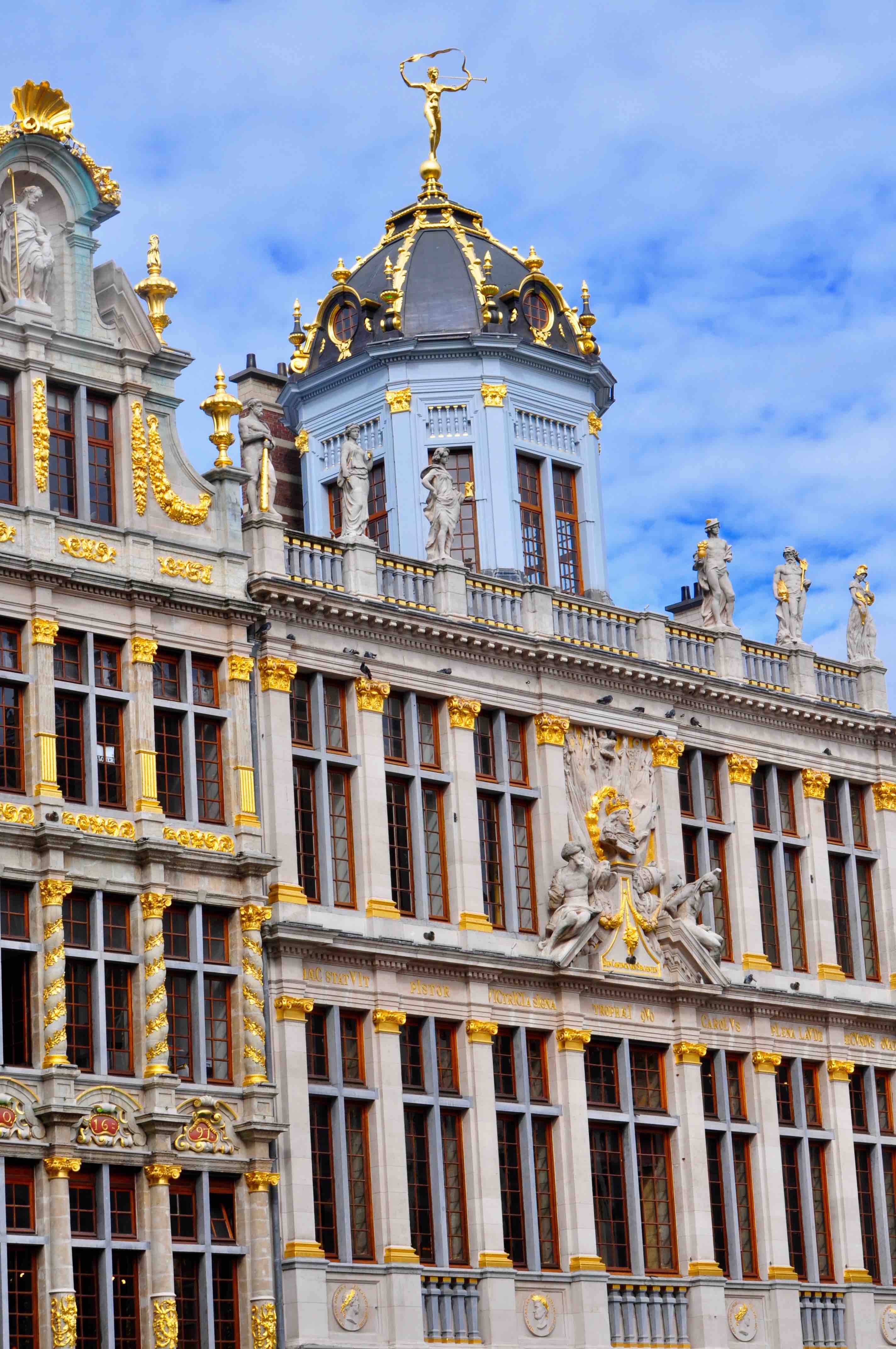
The Grand Place(La Grand-Place) or Grote Markt is the central square of Brussels. It is a cobbled rectangular market square, surrounded by opulent guildhalls and two larger edifices, the city’s Town Hall, and the King’s House or Breadhouse building containing the Brussels City Museum.
read more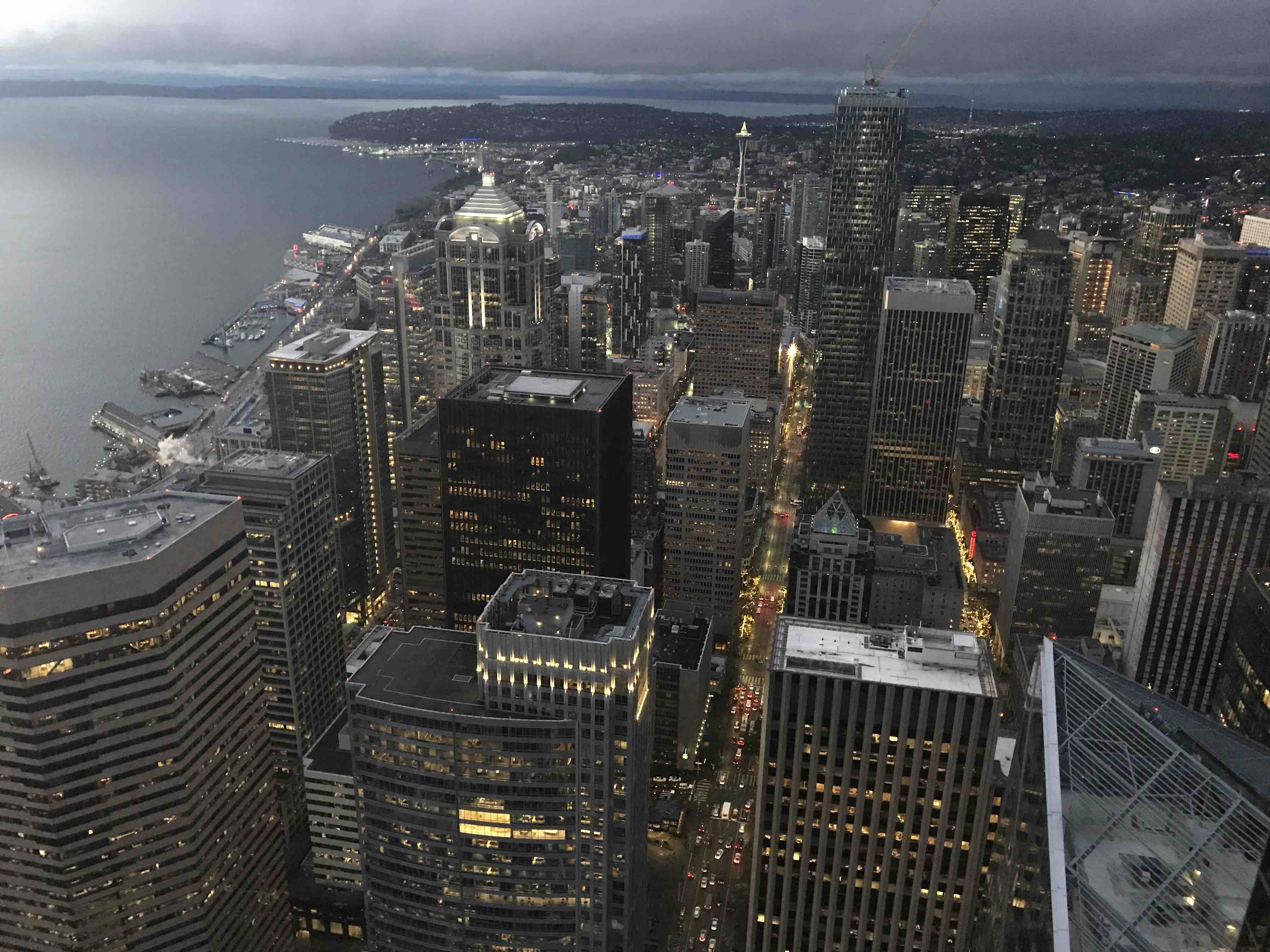
All the top spots and must see attractions in the emerald city of Seattle is packaged into the Seattle City Pass.Find out why Seattle is called the Emerald City! It offers the best our city has to offer and you will save atleast 50% on these attractions. Even if you have other spots in the itinerary, pick this pass up to tag on the saving and do the rest of the spots independently.
read more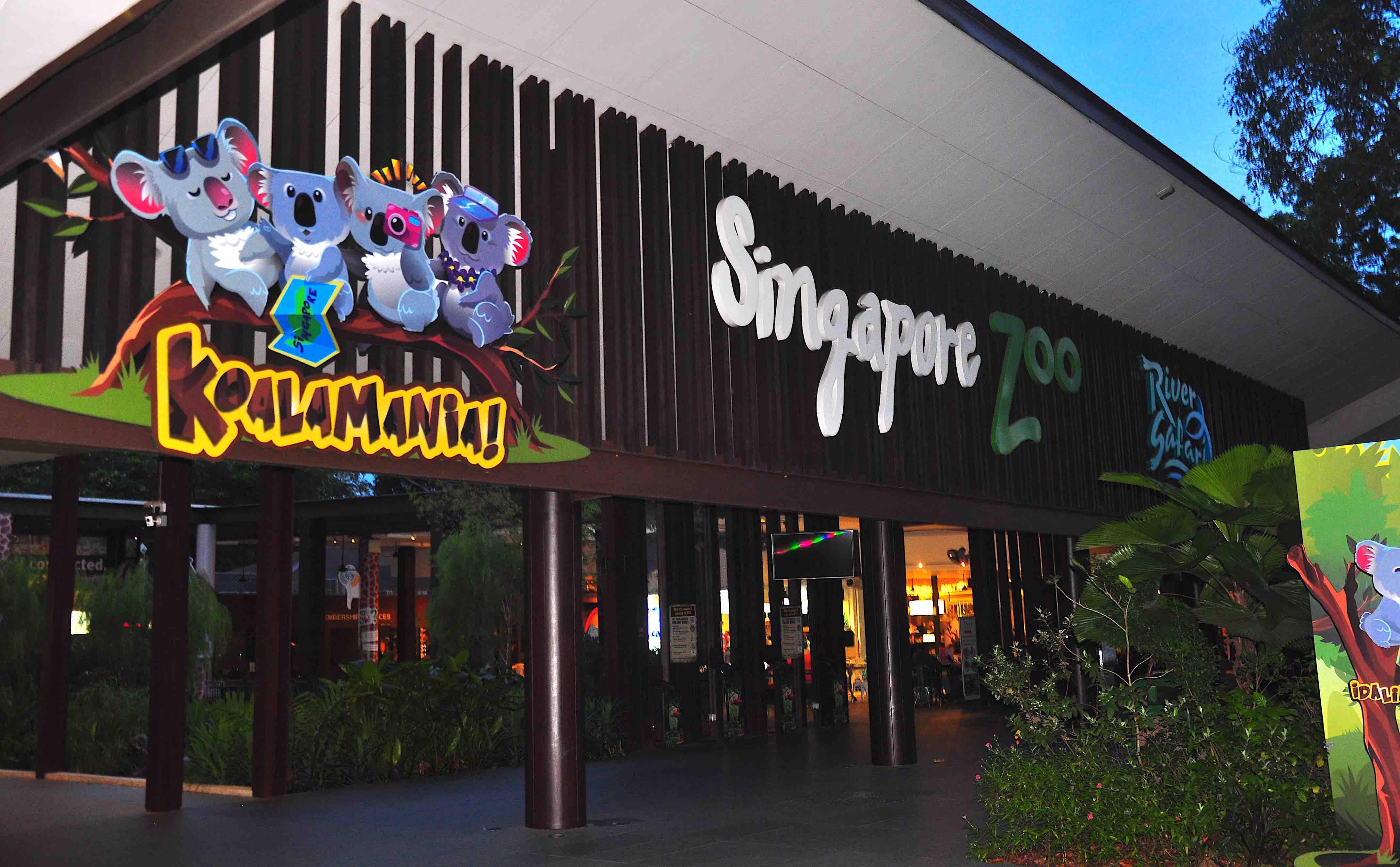
Singapore zoo offers a welcome break from the urban jungle and is located in the north-western side of the island, it is a haven for wondrous wildlife and animal lovers will be delighted. Singapore Zoo is set in one of the most beautiful wildlife environments in the world and boasts of an “Open Concept” to enjoy the wildlife. It is home to more than 2,400 animals from over 300 species—including crocodiles, Malayan tapirs and white tigers etc. The park also boasts the world’s first free-ranging orangutan habitat in a zoo!
read more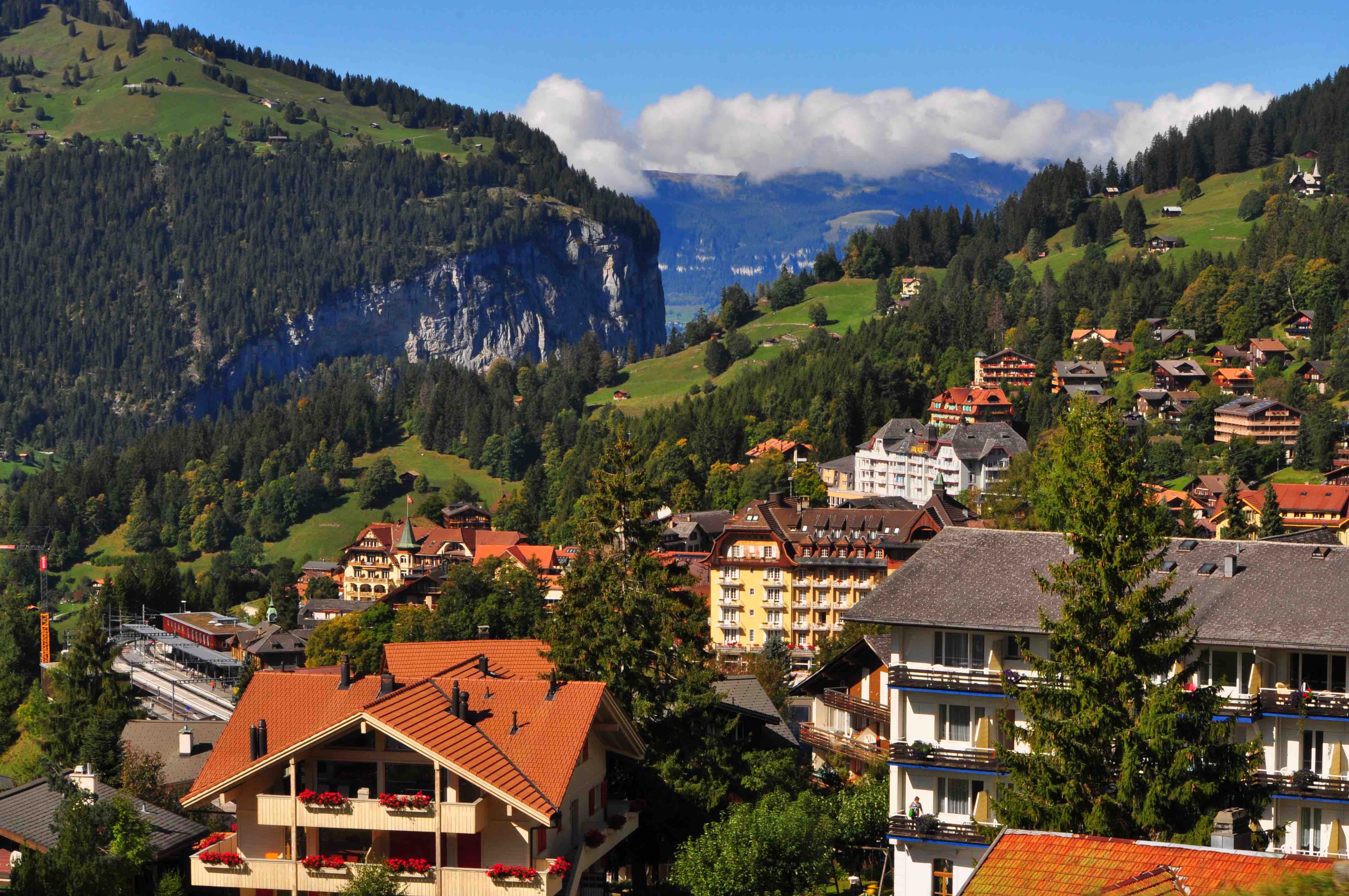
Wengen is a small Swiss tourist and farming village that isn’t just near the mountain but it is in them, well up and on the very side of one of the Alps. Just look at these pictures and you will already be in awe, we were lucky to have a clear day after continuous rain for couple of days, when the majestic Alps (Eiger, Monch and Jungfrau) opened up to views surrounding Wengen.
read more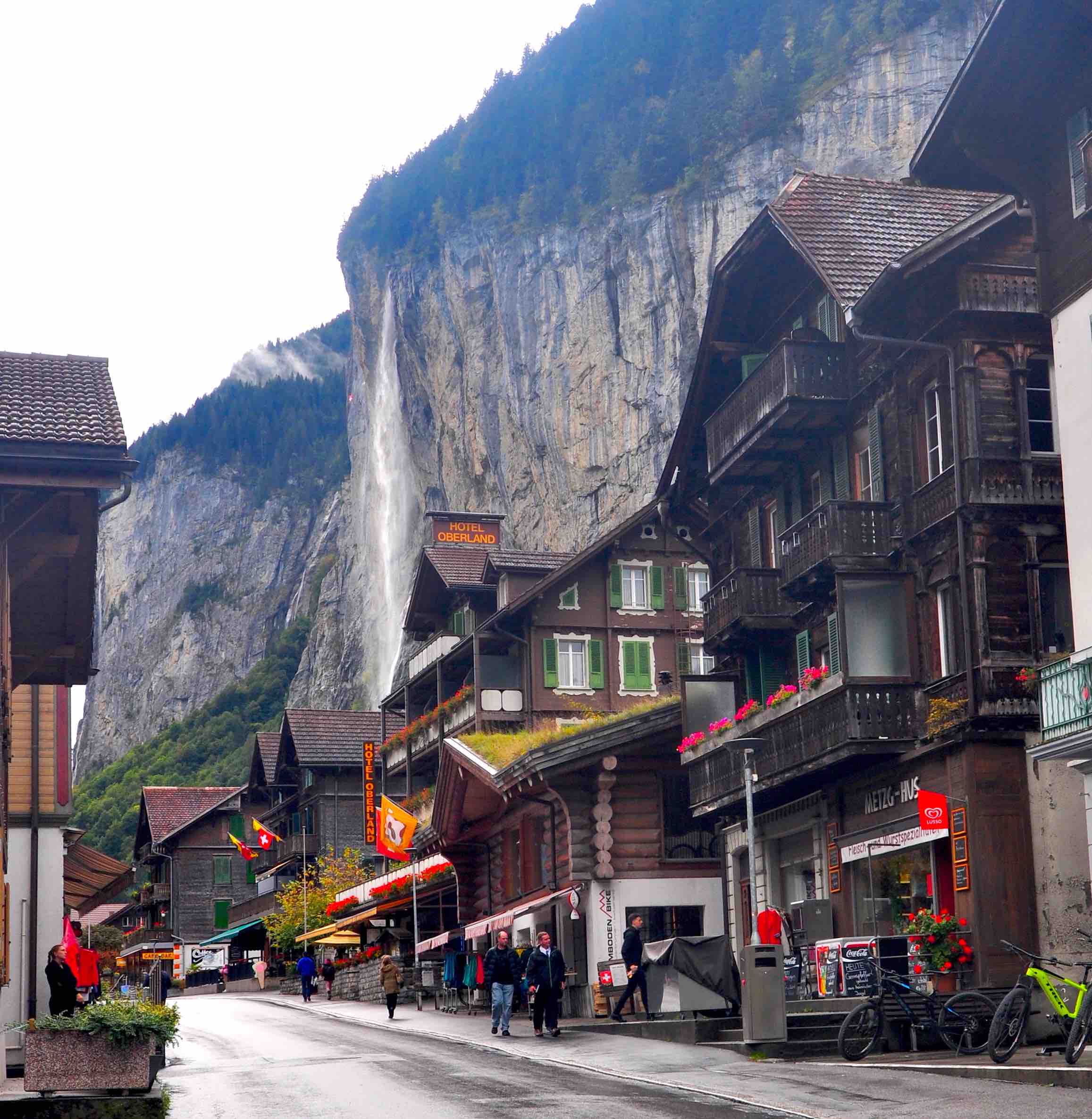
Interlaken is surrounded by some of the highest mountains in the Alps including Eiger, Mönch, and Jungfrau. It is nestled between Lake Thun and Lake Brienz in the Bernese Highlands and is located in central Switzerland.
read more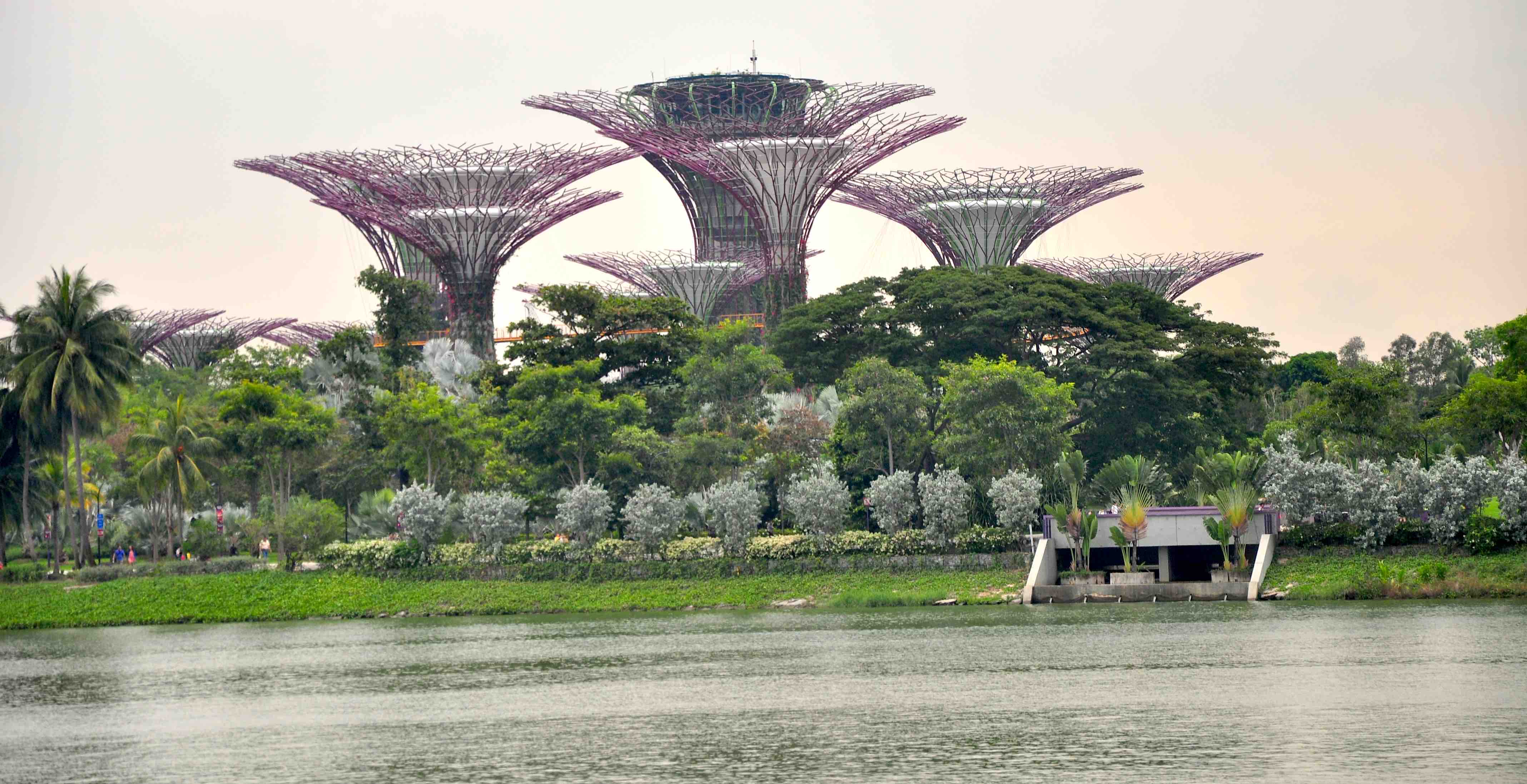
Gardens by the Bay is a huge, colorful, futuristic park in the bay area of Singapore. Among the standout features are the famous Supertree structures. These offer an impressive skywalk over the gardens, with oversized seashell-shaped greenhouses that recreate chilly mountain climates. With its supertrees, biodomes and skywalks, Gardens by the Bay is part of an overall strategy to develop and create a new downtown district in Singapore’s Marina Bay.
read more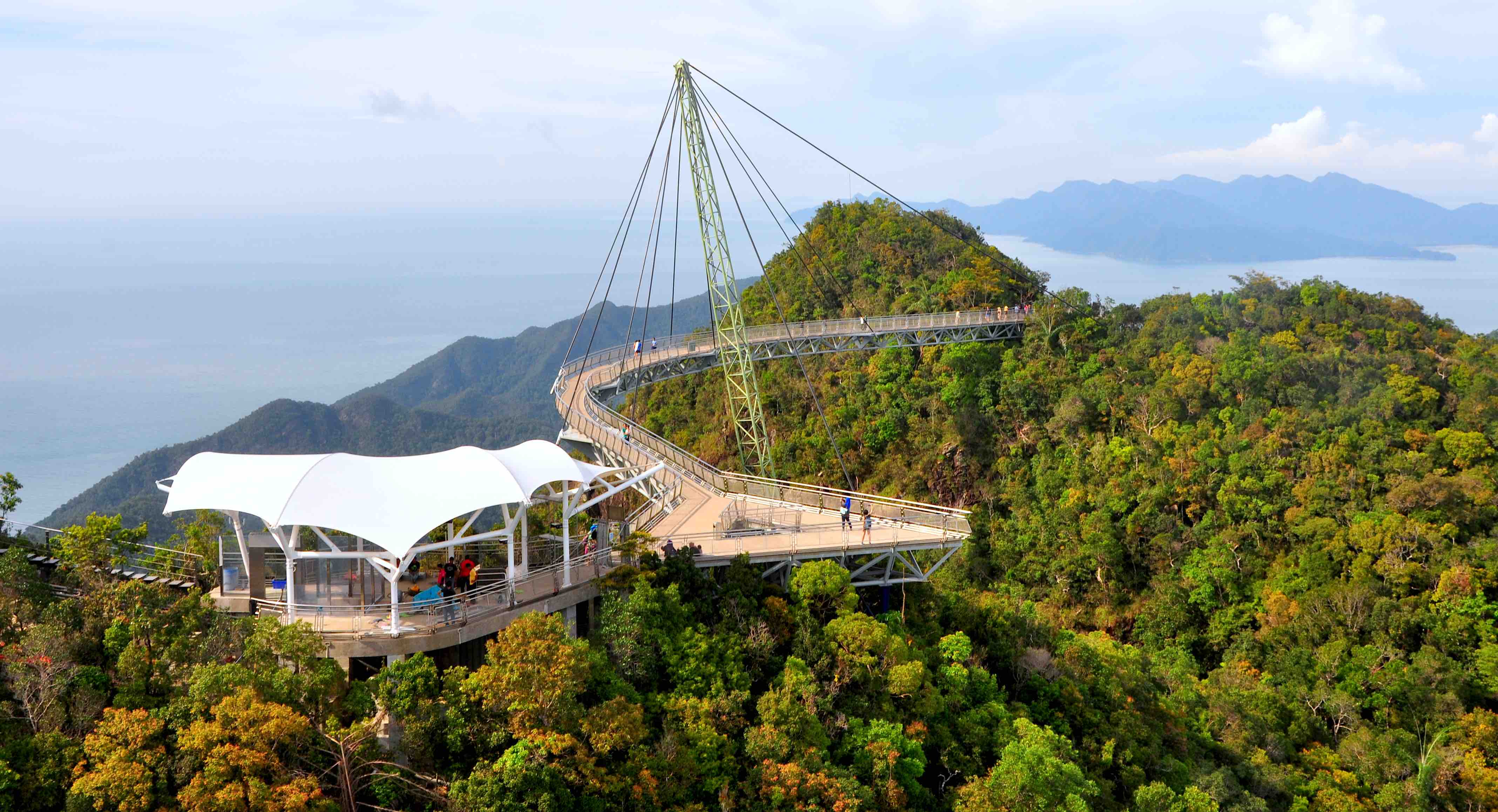
Langkawi Sky Bridge is a 125 metres long curved pedestrian cable-stayed and suspended pedestrian that swings out over Langkawi’s second-highest mountain, Gunung Mat Cincang. At 850m high, Gunung Mat Cincang is the second highest mountain in Langkawi and offers some pretty spectacular views of the island. The Langkawi Sky Bridge is located at the ’end’ of the Langkawi Cable Car ride that takes you to top of Mount Mat Cinchang. The journey to the top starts out at the Oriental Village in the upper northwest of Langkawi Island, near Pantai Kok.
read more