How to Plan a Low Tide Beach Combing Trip in Puget Sound
This post contains affiliate links. If you make a purchase through these links, I may earn a small commission at no extra cost to you. See my disclosure for details.
Beach combing at low tide is one of the best free things you can do around Seattle. The Puget Sound shoreline is full of tide pools with sea stars, crabs, anemones and nudibranchs. But the whole experience depends on getting the timing right.
This guide covers how to plan a low tide trip in Puget Sound. What tide to aim for, when in the year to go, what to bring and a few beaches that are worth your time.
Why the Tide Matters
A “low tide” on a tide chart can mean anything from +2 ft to -3 ft. For beach combing you want the tide as low as possible, because that is when the interesting marine life gets exposed.
A quick guide:
0 ft or higher: Not worth the trip. Most creatures are still underwater.
-1 ft: Decent. You will see sea stars, anemones, crabs on the rocks.
-2 ft: Very good. Tide pools open up, more species exposed.
-3 ft or lower: Excellent. You can walk out to areas that are rarely exposed.
Tides this low happen only a handful of days a month, so you have to plan ahead.
How to Read a Tide Chart
We use the NOAA tide prediction site to plan every trip. Pick the station closest to the beach you want to visit. Some common ones for Puget Sound:
Seattle, Puget Sound (station 9447130 covers the Edmonds and north Seattle area)
Tacoma
Port Townsend
Bremerton
The chart shows the predicted tide height for each hour of the day. Look for the low tide line that dips into negative numbers. Note the time and how long the tide stays low.
A good rule is to arrive about an hour before the peak low tide. That way you can walk out as the water recedes and have the full window to explore before the tide comes back in.
Best Months to Go
In Puget Sound, the biggest daytime minus tides happen in late spring and summer, roughly April through July. This is when the lowest tides of the year line up with daylight hours.
In fall and winter the deepest low tides happen at night. Not practical for beach combing unless you want to go with a headlamp.
Before picking a date, check the NOAA chart for your target month and look for any daytime tide below -1 ft on a day you can spare. Weekdays are much quieter than weekends.
What to Bring
The beach is exposed and the rocks are slippery. A few things make the trip easier:
Waterproof boots or old sneakers. Your feet will get wet.
Sun hat and sunscreen. There is no shade on most Puget Sound beaches.
Layers. Mornings can be cold even in summer.
Water and snacks. Most beaches have no vendors.
A small bucket or clear container for a closer look at creatures (not to take home).
Camera or phone. Close up shots are great.
Change of clothes in the car, especially for kids.
Beaches Worth Visiting
Our favorite spots around the Seattle area:
Brackett’s Landing, Edmonds
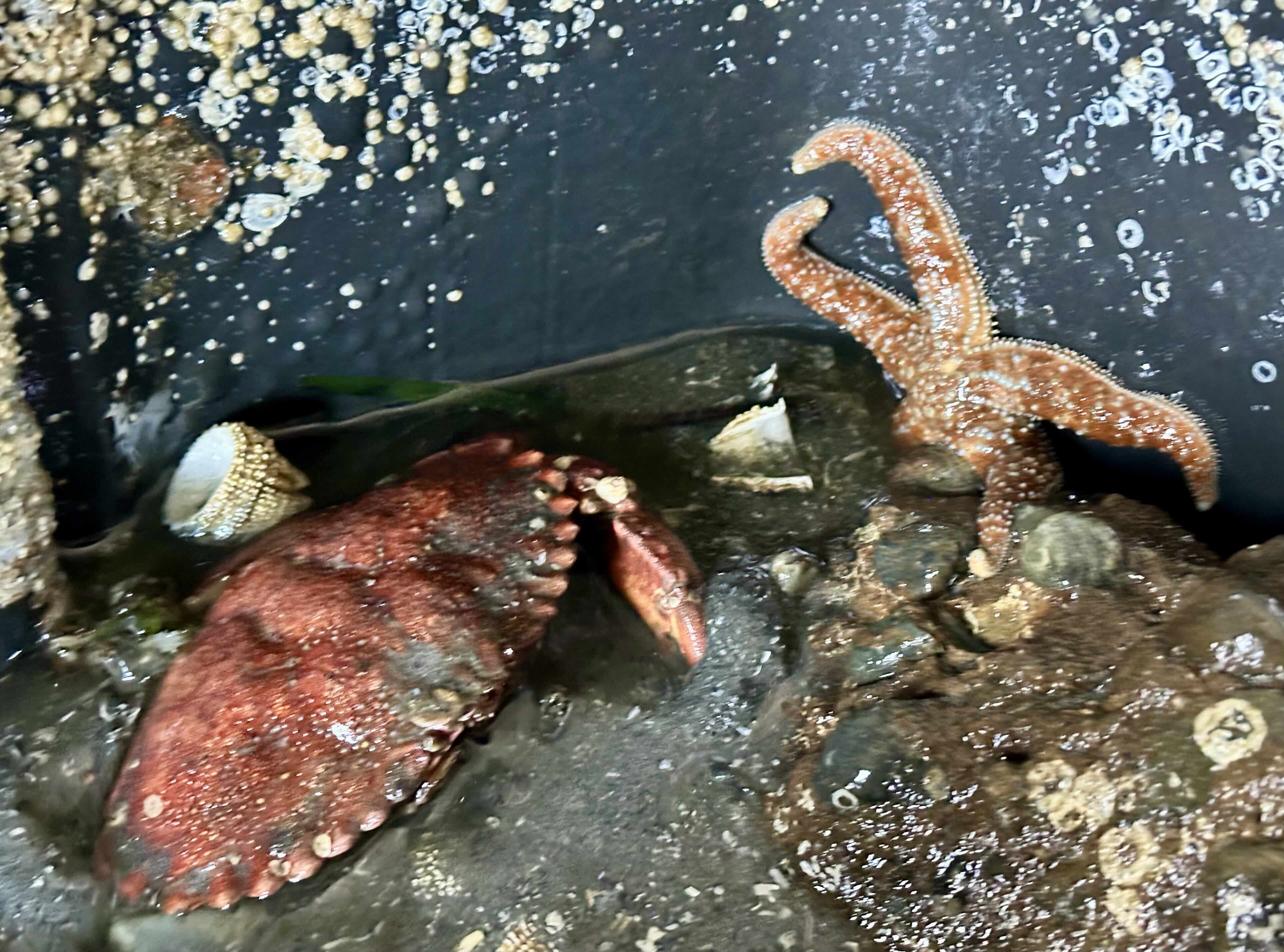
Small marine sanctuary right next to the Edmonds ferry terminal. Free parking, flat beach, very kid friendly. On our visit at a -3 ft tide we saw a sea lemon, live Dungeness crabs, sea stars in three colors, hermit crabs and anemones. Read our full guide to Brackett’s Landing beach combing.
Golden Gardens Park, Ballard
Seattle’s most popular beach. Less of a tide pool beach and more of a long sandy stretch, but still worth a low tide visit for crabs and shells. Also a great sunset spot with Olympic mountain views. See our Golden Gardens guide.
Alki Beach, West Seattle
Long stretch with rocky and sandy sections. Good tide pools at the north end near Alki Point Lighthouse. Easy parking on weekdays, crowded on summer weekends.
Discovery Park, Magnolia
The beach below the West Point Lighthouse has tide pools when the water drops. Longer walk down and back up the bluff, so bring water.
Saltwater State Park, Des Moines
South of Seattle, quieter than the city beaches. Rocky shoreline with good tide pooling. Discover Pass required.
Going With Kids
We have done this with a three year old and it works well. A few things to keep in mind:
Let them lead. The fun is picking up rocks and finding what is underneath.
Keep touches gentle and brief. Always with wet hands.
Set the “no take home” rule early. Tell them upfront that everything stays on the beach.
Pack more snacks than you think you need. A loaded snack bag buys you extra exploration time.
Bring a change of clothes. They will get wet.
Beach Etiquette
Most Puget Sound tide pool beaches are protected in some way. Even where they are not, the same rules apply:
Take nothing home. No shells, no sand dollars, no sea stars, no rocks.
Touch gently and with wet hands only.
Put rocks back the way you found them. That rock is someone’s home.
Watch your step. It is easy to crush small creatures without noticing.
No dogs on marine sanctuary beaches.
These rules are what keep these beaches rich for the next visit.
Travel makes one modest. You see what a tiny place you occupy in the world. We love travel and exploring new places and culture. We started this blog to share our travel journeys, experiences and planning information and of course some pictures of the destinations. We hope to provide some insight about the destinations visited by us and to inspire other people to travel more. We have full time jobs but we make sure
we use every opportunity to get out and explore the wonderful creation around us.
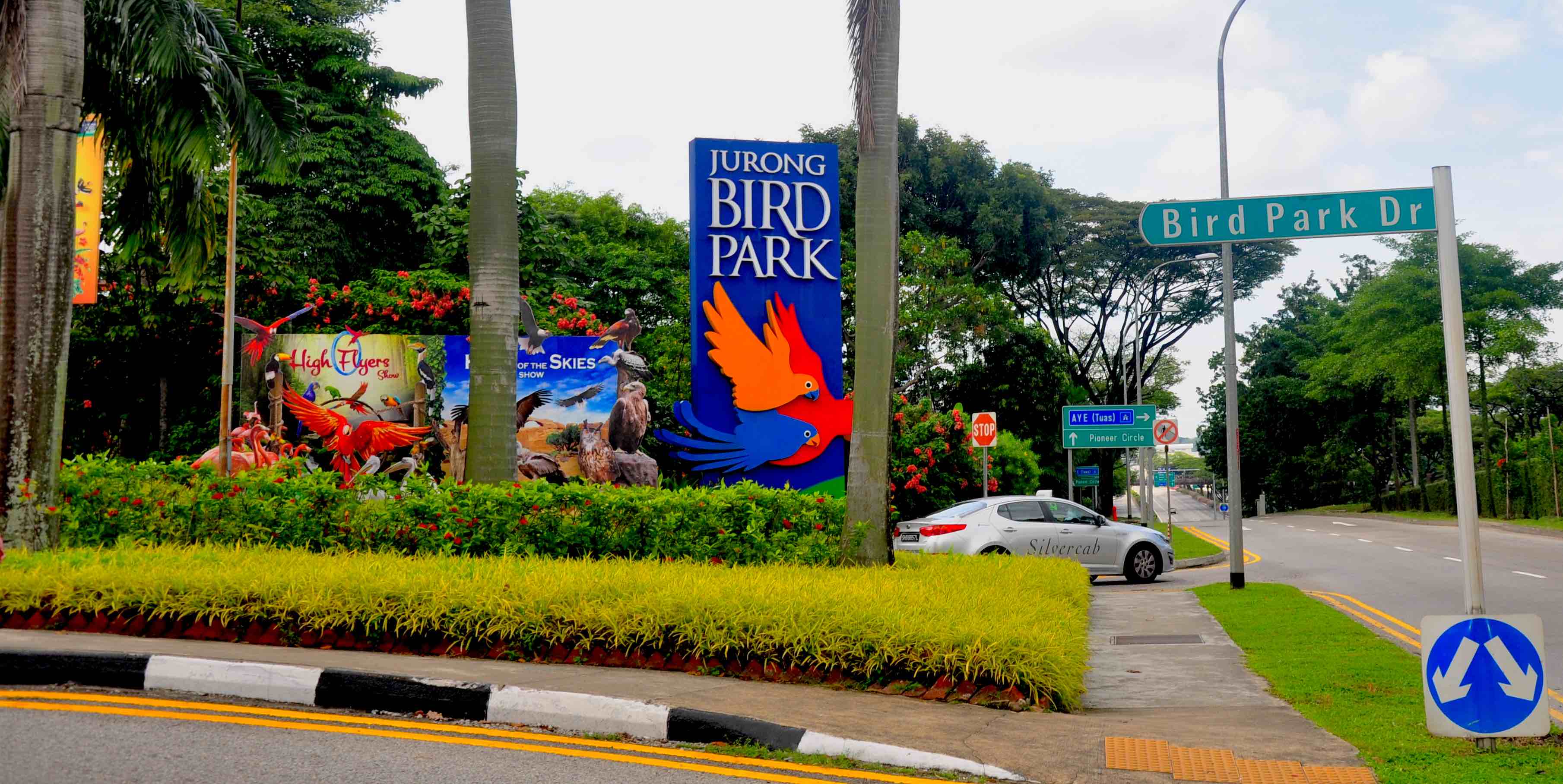
Jurong Bird Park is a massive aviary and one of the largest bird parks in the world, featuring 8,000 birds of more than 600 species with exotic birds like macaws, spoonbills, flamingos etc. It is currently the world’s largest bird park in terms of number of birds and second largest in terms of land area after Germany’s Vogelpark Walsrode
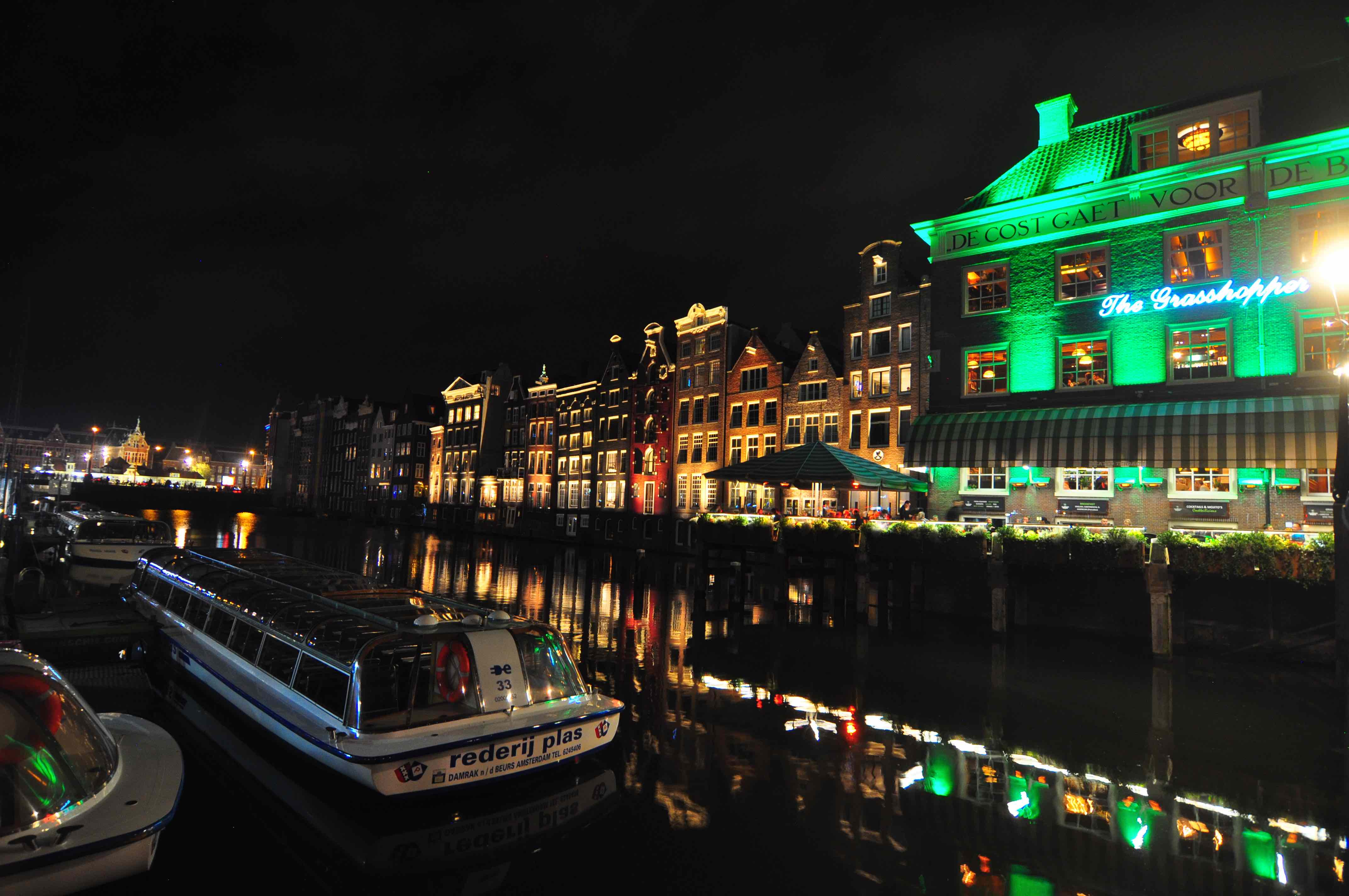
Amsterdam lookout is a fun place to visit. You will see a lot of blogs discussing whether it is worth visiting it or not ,but if you are a tourist, we would suggest to visit. It gives you a view of Amsterdam from a different perspective.
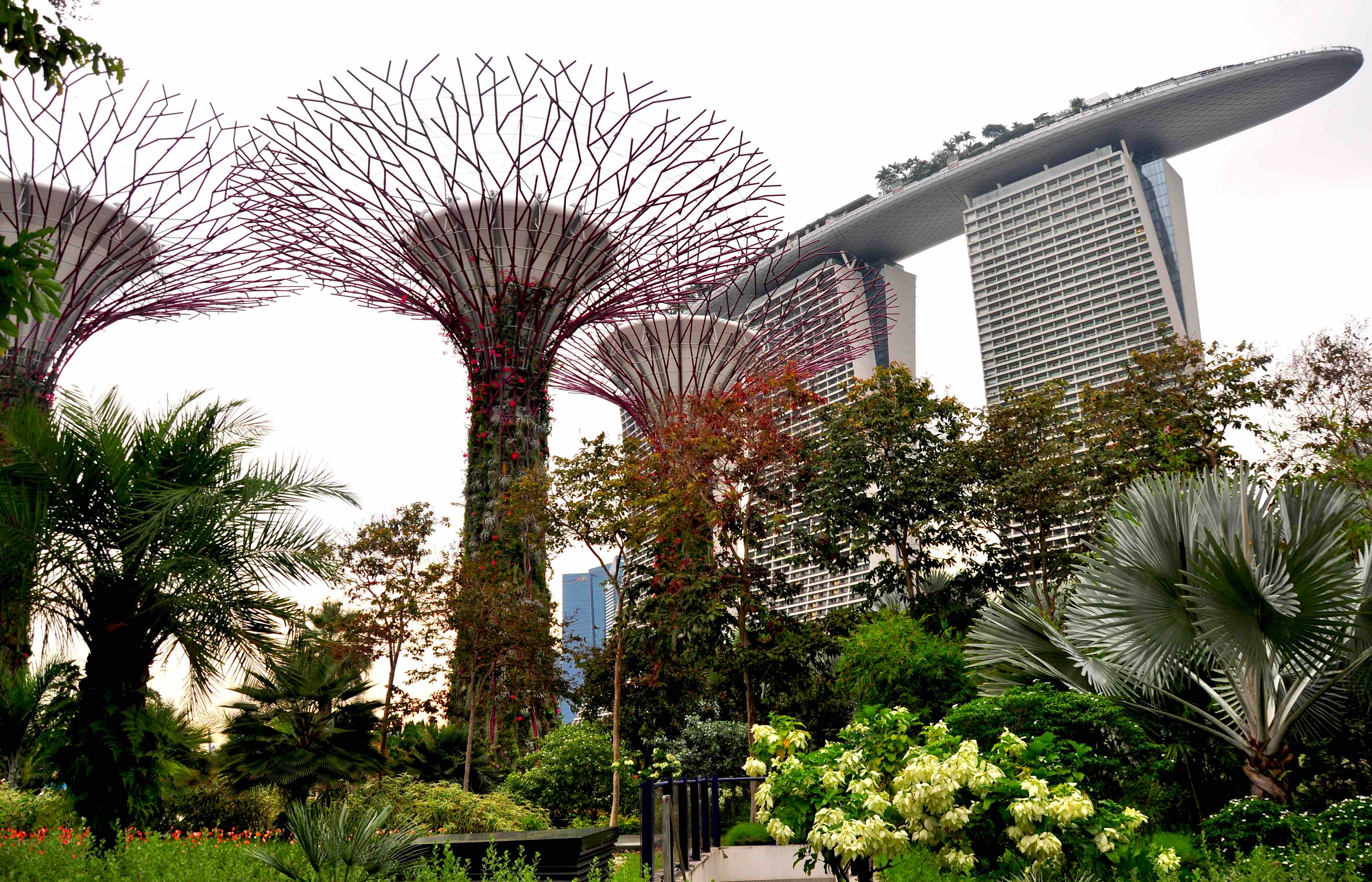
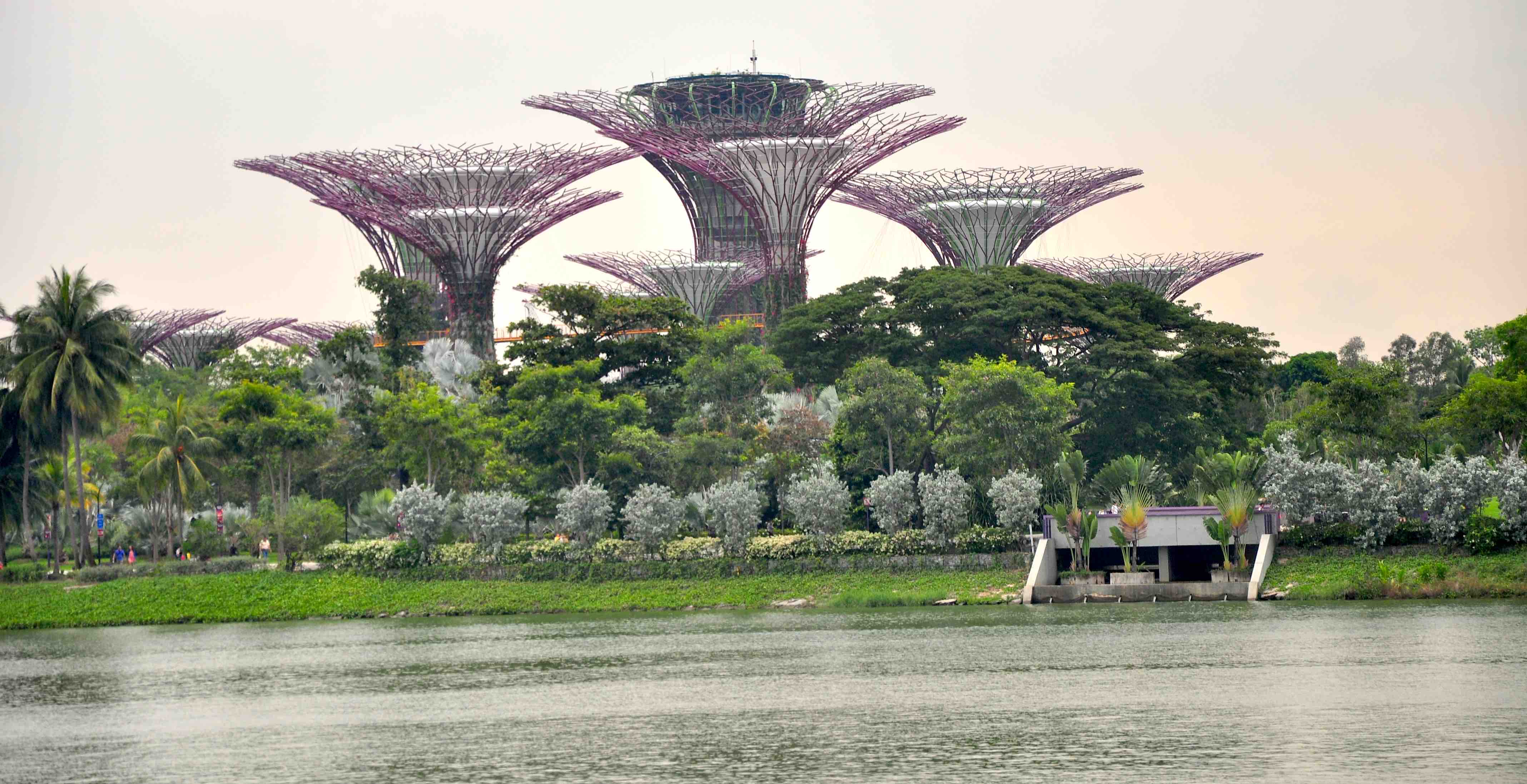
Gardens by the Bay is a huge, colorful, futuristic park in the bay area of Singapore. Among the standout features are the famous Supertree structures. These offer an impressive skywalk over the gardens, with oversized seashell-shaped greenhouses that recreate chilly mountain climates. With its supertrees, biodomes and skywalks, Gardens by the Bay is part of an overall strategy to develop and create a new downtown district in Singapore’s Marina Bay.
I have always wondered why Seattle is called the Emerald City and the history and orgin of it. As I was reading more about this topic, I also came across other nick names that people commonly use for Seattle. I thought it would be a good idea to share this in case someone is curious enough to know the history of these names.
With the mild temperatures and the rain, Seattle got beautiful blooms to brighten up any gray spring day. The University of Washington is well known for its stunning array of cherry blossoms, which bloom at different times, though March tends to be perfect for enjoying their delicate flourishes.
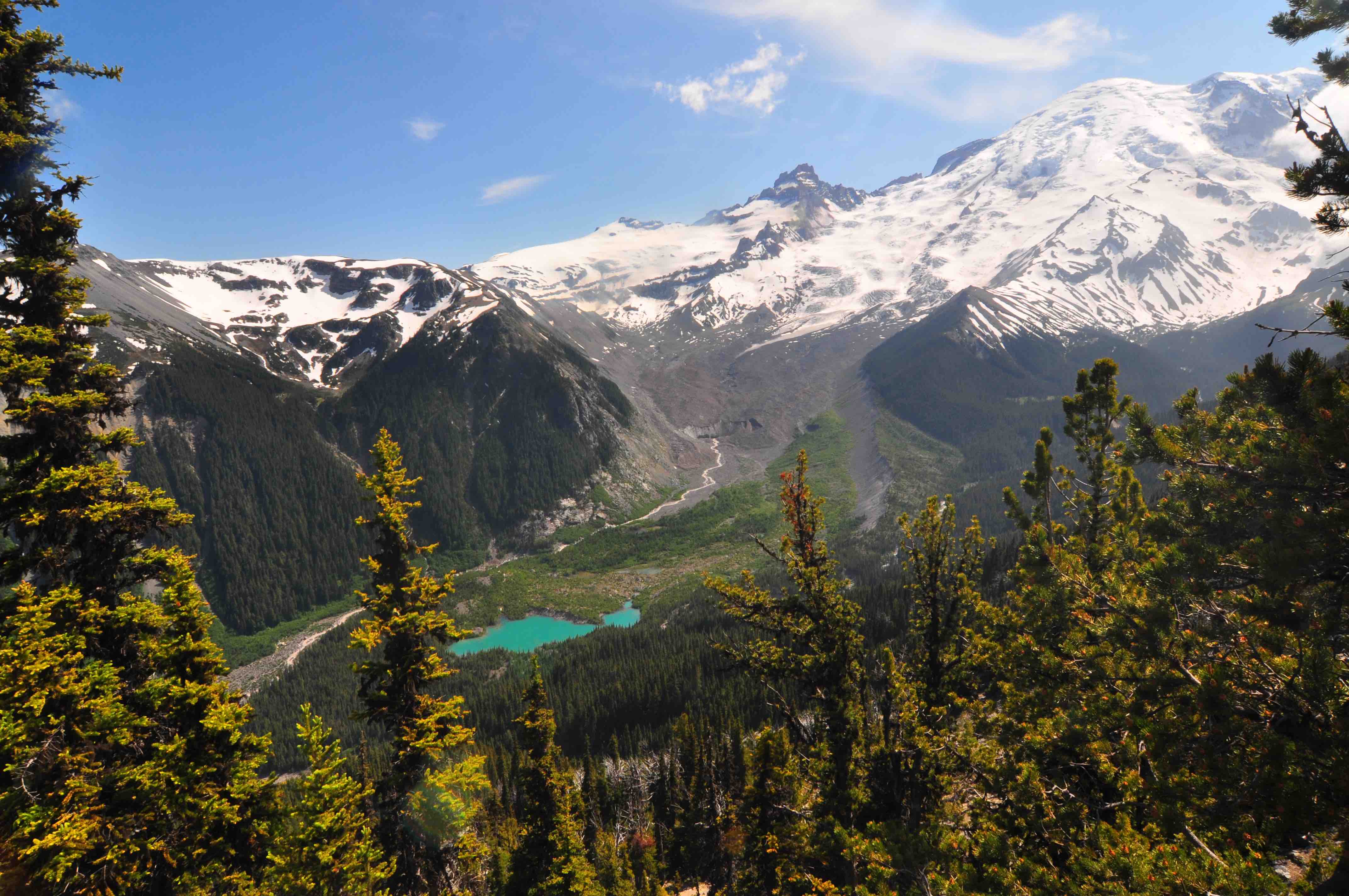
Burrough mountain trail offers spectacular view of Mt Rainier and Emmons Glacier. We do make sure to get couple of trails in the Mt Rainier area every year, and we like to share our pictures and memories from each of our hikes. This one is from a summer starter hike in July couple of days after the road opened till Sunrise visitor center. Snow had almost melted but please check the trail conditions with rangers before heading out. We had to use our microspikes to cross some steep snowfields while crossing the mountain slopes. Something like the Kahtoola MICROspikes Footwear Traction
are essential for trails like these.